
Most homeowners think stucco problems start with big cracks or pieces falling off the wall.
In reality, the damage usually starts much earlier — and much quieter.
In Minnesota, one of the most common causes of stucco failure isn’t age or poor materials. It’s what happens when water freezes, thaws, and freezes again… over and over.
What Freeze-Thaw Cycles Really Do to Stucco
On a warmer winter afternoon, snow melts and water finds its way into tiny openings you’d never notice. When temperatures drop again at night, that moisture freezes and expands.
That expansion pushes outward on the stucco.
The next day it thaws.
That night it freezes again.
Over the course of a Minnesota winter, this cycle can repeat dozens of times — slowly stressing the stucco until damage starts to show.
Why Stucco Is Especially Affected
Stucco isn’t meant to trap water, but it also isn’t completely waterproof. When it’s installed correctly, moisture drains out before it becomes a problem.
When it’s not? Freeze-thaw cycles turn small imperfections into bigger issues.
The Most Common Freeze-Thaw Damage We See
After winter, homeowners often notice:
- Fine cracks that weren’t there last year
- Chipped or flaking stucco near the foundation
- Bulging or uneven areas on the wall
- Stains around windows or doors
These aren’t just cosmetic issues. They’re signs moisture has been moving where it shouldn’t.
Why Minnesota Homes Take More of a Beating
Minnesota’s weather creates the perfect conditions for freeze-thaw damage:
- Long winters
- Frequent temperature swings
- Heavy snow buildup
- Ice dams and roof runoff
Water collects, freezes, expands, and repeats the process until the stucco system starts to fail — especially around windows, rooflines, and entry points.
The Real Risk Isn’t the Stucco
The biggest problem isn’t what you can see on the surface. It’s what happens behind it.
Once moisture gets behind the stucco, it can lead to:
- Wood rot
- Mold growth
- Insulation damage
By the time interior issues show up, exterior repairs are usually more extensive.
How to Stop Small Problems From Turning Into Big Ones
Freeze-thaw damage doesn’t happen overnight, which means it’s often preventable.
- Seal small cracks early
- Keep water draining away from exterior walls
- Address roof and window leaks quickly
- Have stucco inspected after winter
Catching problems early almost always saves money.
When to Bring in a Professional
If your stucco looks different this spring than it did last fall, it’s worth having it checked. A trained eye can tell whether cracks are surface-level or signs of deeper moisture issues.
Local Experience Matters
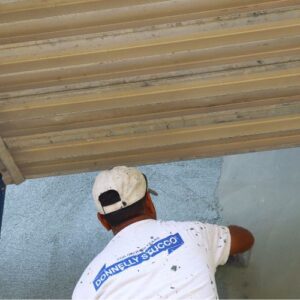
At Donnelly Stucco & Exteriors, we work on Minnesota homes every day. We know how freeze-thaw cycles affect stucco — and how to build and repair systems that hold up in this climate.
If you’re unsure about the condition of your stucco, contact Donnelly Stucco & Exteriors for an inspection. Small issues caught early can prevent major repairs later.